What's the Best Way to Learn Spanish? We Drafted It
Three native speakers draft the best ways to learn Spanish like a sports draft: tutors, input, travel, AI. Their verdict? It depends on you.
WorldsAcross team · November 14, 2026
In this article · 7 sections
"What's the best way to learn Spanish?" You've probably typed some version of that into a search bar. Maybe more than once. And every answer swore it had the one method. A tutor. An app. Movies with subtitles. Moving abroad for a year.
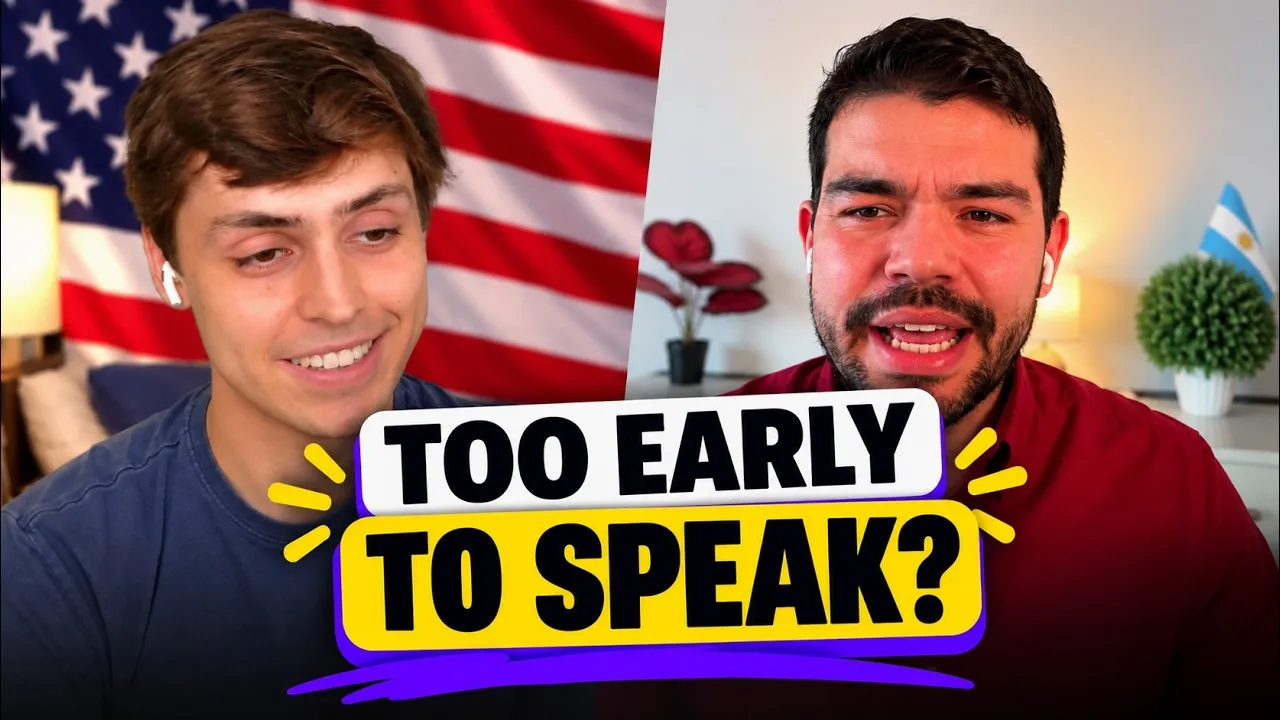
On the WorldsAcross Spanish Podcast, three native speakers decided to settle it the American way: with a draft. Like the NFL or NBA draft, where teams take turns picking the best new players. Except the players were learning methods. And yes, there was trash talk.
How the draft worked
Vicky explained the draft "as a sports expert," which got a big laugh. Her version: nobody gets picked at random. You choose the best players first, and the rest go last. She also admitted it reminded her of school, when kids picked teams and she always ended up last. It happens to all of us, right?
Fun detail: there isn't a common Spanish word for it. The hosts pointed out that sports in Latin America and Spain don't really work this way, so the English word just stays.
The board of "rookies" looked like this:
- A one-on-one tutor
- Comprehensible input (Spanish you can mostly follow, just above your level)
- Grammar study and flashcards
- Immersion trips
- A Spanish-speaking partner
- Group classes and language exchange
- Online video, podcasts, TV and streaming, reading
- AI chat, journaling and gamified apps
The rules were simple. Three picks each. No repeats. Every pick needs a reason. You're allowed to attack the other teams' picks. They called it guerra psicológica, psychological warfare. At the end, each host explains how a learner would get to Spanish with only those three tools.
The order came from slips of paper: Osmel first, Juan second, Vicky last. Before anyone panicked about picking late, someone pointed out that Tom Brady was a late pick too. Hay esperanza para todos. There's hope for everyone.
Osmel's team: the inspiration picks
Pick one: an immersion trip. Nobody saw it coming. Osmel's case: a trip is amor a primera vista, love at first sight with the culture. You come home wanting to go back, to connect, to understand. That reason, he argued, can weigh more than any method. Vicky was not happy. "Me lo robó." He stole it from me. She's the one who always says: got ten dollars? Travel.
Pick two: online video. His argument: it's immersion from your couch. Learner videos, podcasts, music, live streams, all in one place. Juan admitted this one hurt. He'd already written it down for himself.
Pick three: a Spanish-speaking partner. A friend, a girlfriend or boyfriend, a husband or wife. Osmel called it "timeless." Not just grammar, but daily life: having fun, sharing good days and bad days, in Spanish. The others teased him. At least the partner can teach you to dance salsa.
Juan's team: the textbook picks
Pick one: a one-on-one tutor. Juan called it la bazuca, the bazooka. No messing around. He compared it to drafting the quarterback who just won the Heisman. A tutor builds the class around you, and a good one keeps you motivated. The others called it "predictable." He didn't care.
Pick two: comprehensible input. His reasoning: input and a tutor make a great match. The tutor keeps you accountable, and the input gives you the hours of listening you need between classes.
Pick three: grammar study. Not all at once, and not on day one. Juan's idea is to bring grammar in later, once you feel more confident. At that point, it clears up doubts instead of scaring you off.
Vicky's team: the budget picks
Pick one: an AI chat assistant. Vicky uses AI for almost everything in her life, so this one was easy. Anything she wants to learn, she asks.
Pick two: group classes. She'd wanted the tutor, but Juan got there first. Her case for groups: there's still a tutor to ask, there are other people to talk to, and you learn from other people's mistakes. Pair it with AI, and you can ask, "Wait, what did they just say?" For more on this, see do group classes help you learn Spanish faster?
Pick three: language exchange. Vicky was honest here. She has never really tried it, and she's not sure how productive it is. The one exchange meetup she went to felt more like dating than studying. Still, she likes the idea: talking with a real person, learning about their culture, practicing in a real setting.
Her summary of her own team? "Me tocó todo lo baratito." I got all the cheap stuff.
Left undrafted: gamified apps, flashcards, journaling, streaming TV, podcasts and reading. Back home without a contract. Though, as one host pointed out, online video swallowed a lot of them.
Where the hosts disagreed
One host went straight for Osmel's partner pick. "Nunca funciona." It never works. His point: people fall in love with the language through music and dance, but never actually talk with their partner in Spanish.
Osmel pushed back. "No puedes decir nunca." You can't say never. The critic gave a little ground: it works sometimes, just not most of the time. And the hosts admitted they've heard from people at WorldsAcross who say they learned through their spouse and speak really well.
Then Juan's team got its turn. It's what the manual would tell you: the best player at every position. The pushback: plenty of people do exactly that and still quit. Why? Inspiration. When you don't feel like going to class or opening a grammar book, you need something powerful behind you. A purpose. Everyone agreed on that one. When the team talks with members about their path, the "why" always comes up.
Vicky's team got called "mid-table." Cheap, modern, a good first two picks. Vicky herself admitted the third pick was mostly filler, but she'd like to test it.
Depende: the kind of learner you are
Of course everyone said their team won. But the real verdict came at the end: "Depende mucho del tipo de aprendiz que seas." It depends a lot on the kind of learner you are.
- Osmel's team fits you if you need a reason before a routine. People and culture keep you going. The risk: not much structure.
- Juan's team fits you if you like a plan and someone checking in on you. The risk: running out of "why" halfway.
- Vicky's team fits you if budget matters and you're comfortable with tech. The risk: lots of tools, and nobody making sure you use them.
Not sure which one sounds like you? Start with what type of language learner are you?
Draft your own team
Here's the takeaway we'd pull from the episode. Every team that sounded strong had three things: a reason to keep going, a steady supply of Spanish to listen to, and real people to speak with. Before you buy another course, ask yourself: which of those three am I missing?
Then grab a piece of paper and write your own three picks. One for your why. One for your hours. One for your conversations. If you want a sense of how long the whole thing takes, read how long it really takes to learn Spanish.
So, who wins the draft: Osmel, Juan or Vicky? And what would your first pick be?
Watch the full episode on the WorldsAcross YouTube channel to see the whole draft, trash talk included.