Can Learning Spanish Cure Your Brain Rot?
Our podcast hosts talk about swapping doom-scrolling for Spanish: why it can be a better habit, where it goes wrong, and how to make the switch realistic.
WorldsAcross team · November 13, 2026
In this article · 5 sections
"I spend hours a night scrolling, and I can feel my brain turning to mush. If I put that time into Spanish instead, would it help?"
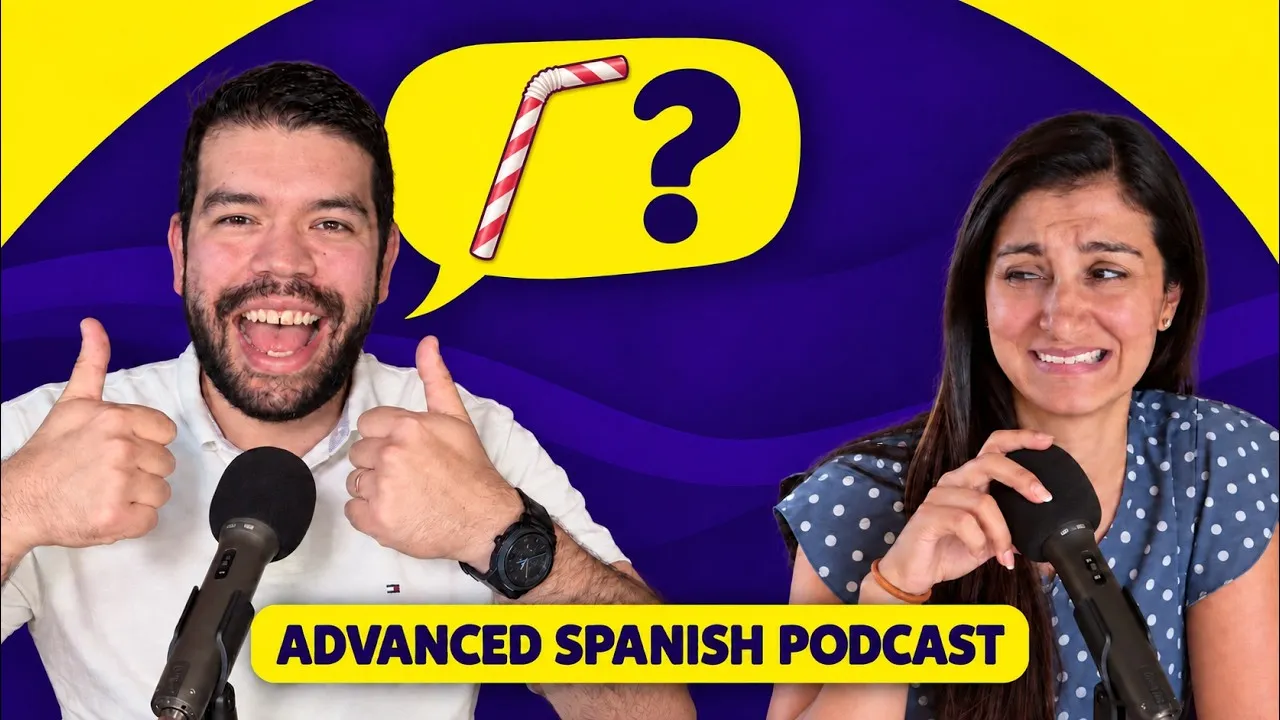
That's the question behind this episode of the WorldsAcross Spanish Podcast. "Brain rot" is a Gen Z term, and not every host knew it at first. They had to ask the youngest person in the office. The idea is simple, though: the foggy, empty feeling you get after a long stretch of short videos. And the hosts noticed something about people who join WorldsAcross: many come because they want to keep their mind active. So, can Spanish be the cure? The short answer from the table: it can be a much better habit, but only if you set it up the right way.
"What am I doing here?"
Before any theory, the hosts told on themselves.
One of them said that once the house goes quiet at night, they scroll for a bit. Half an hour, maybe. And then a video comes up that makes them stop and think: ¿qué estoy haciendo aquí? What am I doing here? Why am I losing sleep over this? Another host used to be hooked on TikTok, decided it wasn't good for them and deleted it. A third never really had it, and asked a fair question: do I need a second Instagram to double my scrolling time?
Then came the scene everyone recognized. One host described the walk to the subway, el subte in Argentina: not a single person who isn't looking at their phone. Same thing at lunch, same thing on the bus. Even one host's grandfather watches TikTok. "Es bastante impresionante," they said. It's pretty striking. "Y triste." And sad.
By the way, the hosts couldn't agree on a Spanish word for scrolling. The best they came up with was escrolear, and they could already feel the internet hating it. So if you hear el escroleo a lo tonto, mindless scrolling, now you know where it came from.
It's like quitting soda
Here's the picture the hosts used. If you're hooked on soda, willpower alone usually isn't enough. You need something to put in its place, something that fills the time and the craving. That's what learning a language can do: reemplazar un hábito por otro, replace one habit with another. A bad habit out, something that adds to your life in.
And one host was honest about how that swap feels. When they stop scrolling and pick up a book, they get restless. It's uncomfortable at first, and it gets better with practice. If that happens to you, it doesn't mean you're doing it wrong. It means you're in the middle of changing a habit.
Another host made a point worth keeping: the phone itself isn't the problem, and neither is being alone with it. It's what you do with that time. Two hours of whatever reels come up is not the same as using the same phone to listen to a Spanish podcast or practice French.
All at once, or little by little?
This is where the hosts disagreed a bit.
Team swap it on the phone. If the scrolling happens on your phone, keep the phone and change what's on it. One host suggested starting small: a little podcast, a YouTube video, some music in Spanish, a few minutes in an app. Don't try to turn four hours of TikTok into four hours of Spanish classes overnight. "Que no sea tan trágico todo," as they put it. Don't make it so dramatic.
Team put the phone down. Another host pushed back. Replacing four hours of scrolling with four more hours on the same screen is hard, because the pull of those apps is exactly what keeps you there. Their idea: split the time into things you don't do on your phone. Cook a recipe that takes longer. Go for a walk. Call a friend or a family member. And, with a laugh, they admitted that if they planned four hours of reading a French book, they'd be out after 25 minutes, looking for the other three and a half hours of something else.
Then a third worry came up: could some of this be brain rot dressed up as productivity? One host thinks some gamified apps can work that way. People keep long streaks for years, collect stars and coins, and still aren't speaking. You feel productive, but you're hooked on the reward, not the result. Even so, the table agreed that a few minutes trying to learn words in another language is a better use of your evening than 30 minutes of random videos.
Depende: what are you replacing, and with what?
So, does learning Spanish cure brain rot? The hosts didn't claim it does, and neither will we. They shared opinions, not a diagnosis. Where they landed is closer to this:
- If your scrolling is a reflex, on the subway or in a waiting room, then swapping it for Spanish audio on the same phone can work well. The habit is already there. You're just changing what's playing.
- If your scrolling is hours at night, don't try to fill all of it with Spanish. You'll burn out. Give Spanish a slice, and give the rest to things off the screen.
- If your Spanish time looks like a game, ask yourself whether you're getting closer to a real conversation, or just keeping a streak alive.
The hosts also argued about whether learning a language makes you "smarter." One joked that, by their own completely unscientific research, people who learn languages are better company for a chat. But one host's serious answer was the part that stuck. To them, intelligence is bigger than a test score. Learning a language puts you in your place. You have to calm down when something doesn't come out right. You need patience. You need constancia, consistency. In their opinion, that's a kind of intelligence too, and it carries over into the rest of your life.
One tip: trade one scroll slot
Don't try to fix your whole screen time. Pick one moment when you scroll on autopilot and give that moment to Spanish:
- Name the slot. The commute, the line at the store, the 30 minutes before bed.
- Decide the replacement ahead of time. One podcast episode, one video, one album in Spanish. If it's ready to go, you won't be tempted to open something else.
- Keep it small. One slot, done for a few weeks, beats a big plan that lasts three days. When it feels normal, add another, or give one to something off the screen.
If you want help making that stick, read how to build a Spanish habit you can keep and why consistency beats intensity. And for the weeks when it all feels slow, there's how to stay motivated when Spanish gets difficult.
So, tell us: has learning Spanish changed how you use your phone? Do you feel a little sharper, or is it still a work in progress?
Watch the full episode on the WorldsAcross YouTube channel to hear the whole conversation, in real Spanish.