
The WorldsAcross blog
Spanish, explained by the people who speak it.
Grammar that finally clicks, words English can't translate, and the culture behind how people really talk. From the team behind WorldsAcross classes.

Most read

The difference between “es” and “está”
The difference between “es” and “estár”, problems that Spanish students find when they start learning the language

10 Strange Superstitions in Latin America
There are many superstitions in Latin America for every imaginable situation. Read the article and discover them now!
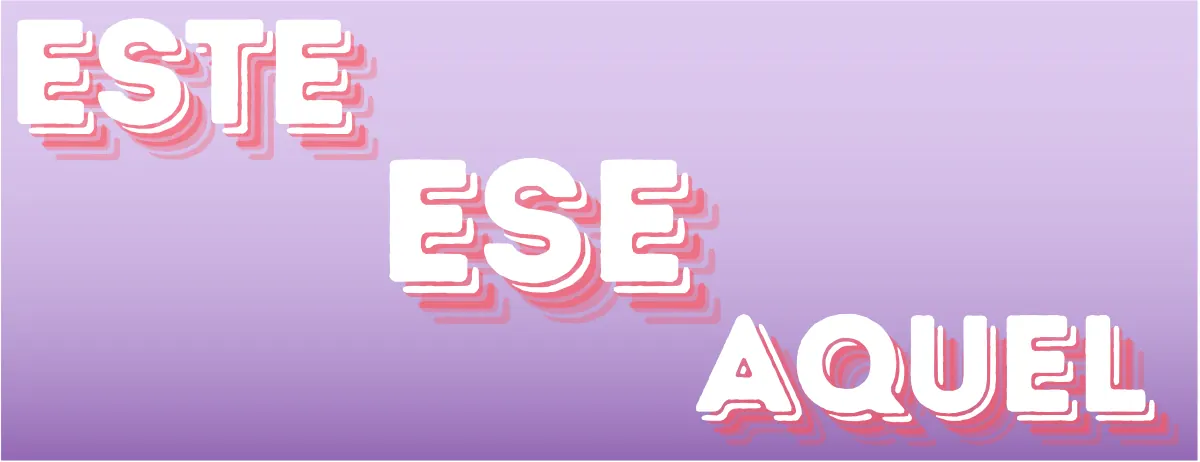
What’s the Difference Between Este, Ese and Aquel in Spanish?
Confused about este, ese, and aquel? Learn how to point in Spanish like a native with this clear, fun guide to Spanish demonstratives.
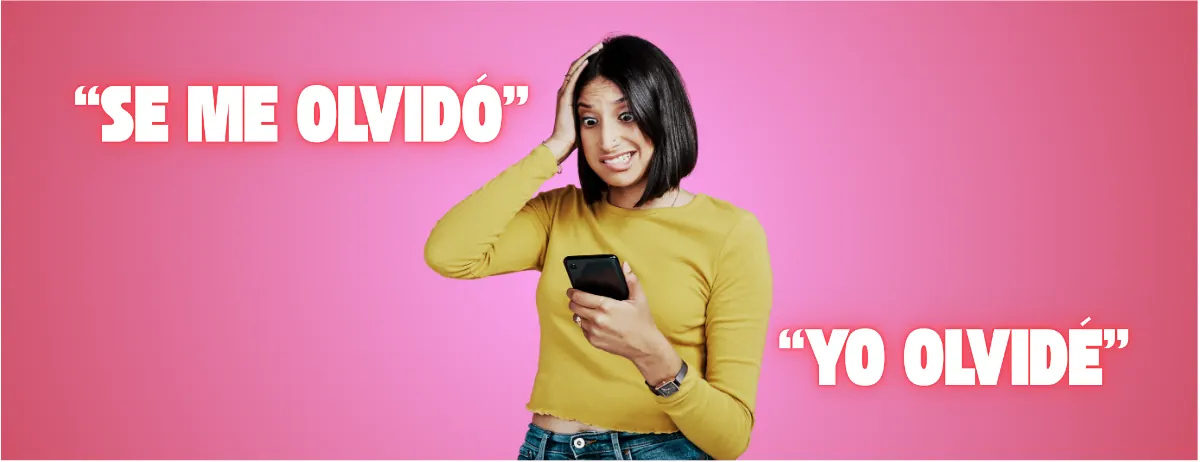
Why do we say “Se me olvidó” instead of “Yo olvidé” in Spanish?
Discover how accidental “se” constructions work in Spanish with simple rules and examples. Make your Spanish sound natural and fluent fast.

10 most common false cognates in Spanish that very few notice
10 most common false cognates in Spanish that very few notice - The language people have used as a bridge to connect, however it’s been...

Hubo vs. había: When to Use Each in Spanish
Hubo or había? Both mean “there was,” but they tell the story differently. Learn when to use each, with clear examples: event or scene?
Grammar that finally clicks
All grammar →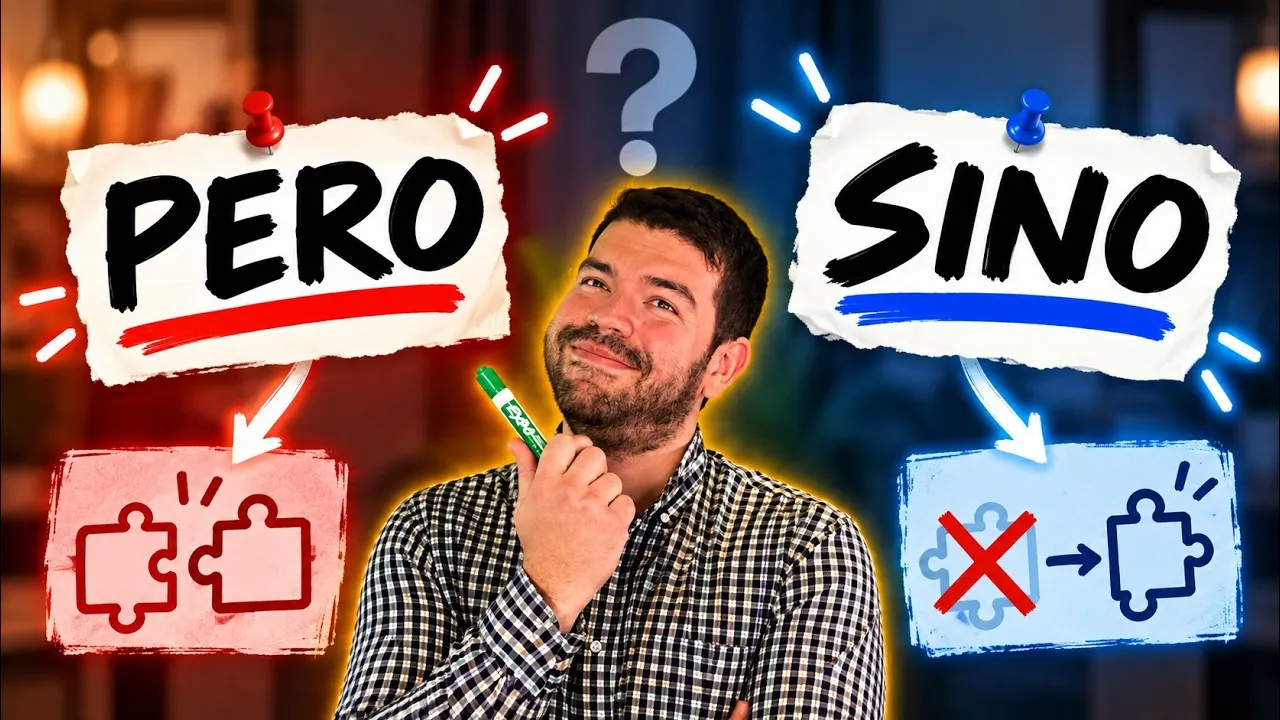
Pero vs Sino in Spanish: Two Ways to Say But
Pero vs sino: when Spanish uses pero for contrast, sino to correct after a negative, and sino que before a conjugated verb. Clear examples and the mistakes to avoid.
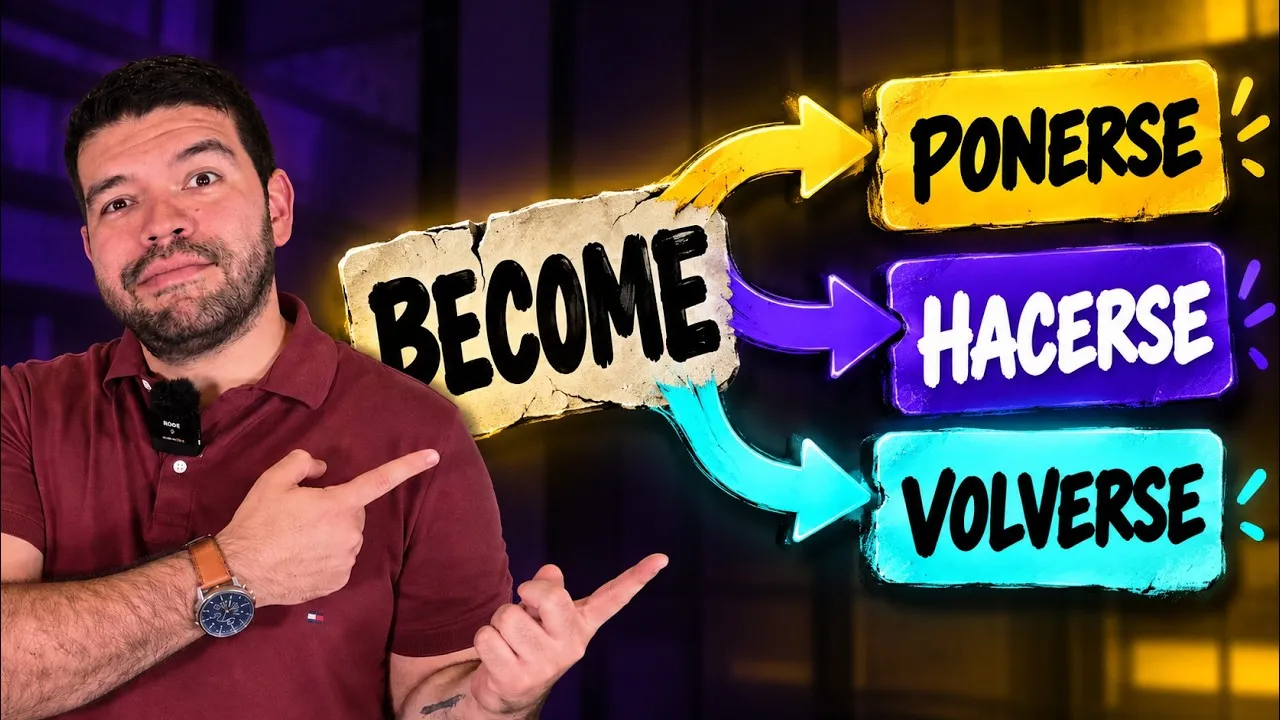
How to Say Become in Spanish: Ponerse, Hacerse, Volverse
Se puso nervioso, se hizo médico, se volvió desconfiado. English says became for all three. Learn the one question that tells you which Spanish verb to use.
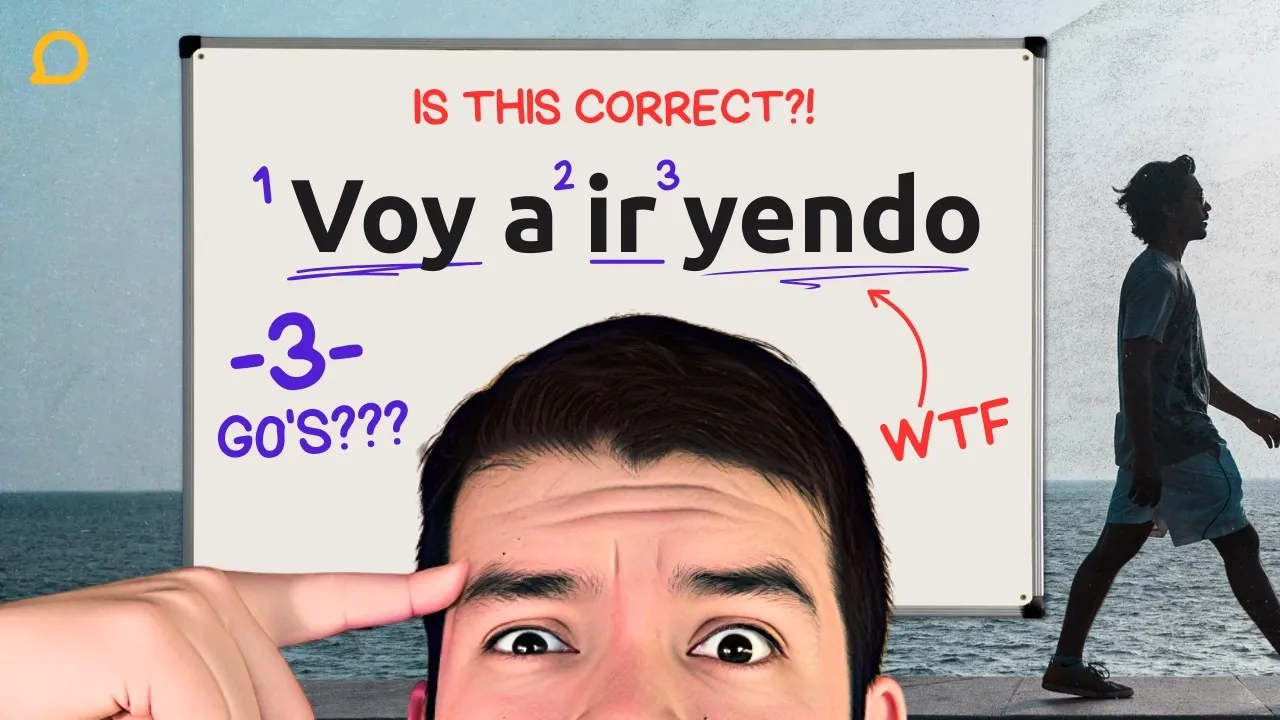
Voy a Ir Yendo: What It Means and Why It Works
Voy a ir yendo uses ir three times, and it makes perfect sense. Learn the job each form does and why it means I should get going, little by little.
Find your level
Start where you actually are
Pick the kind of Spanish you need right now. Each topic collects the articles written for it.
Words and the culture behind them
All culture →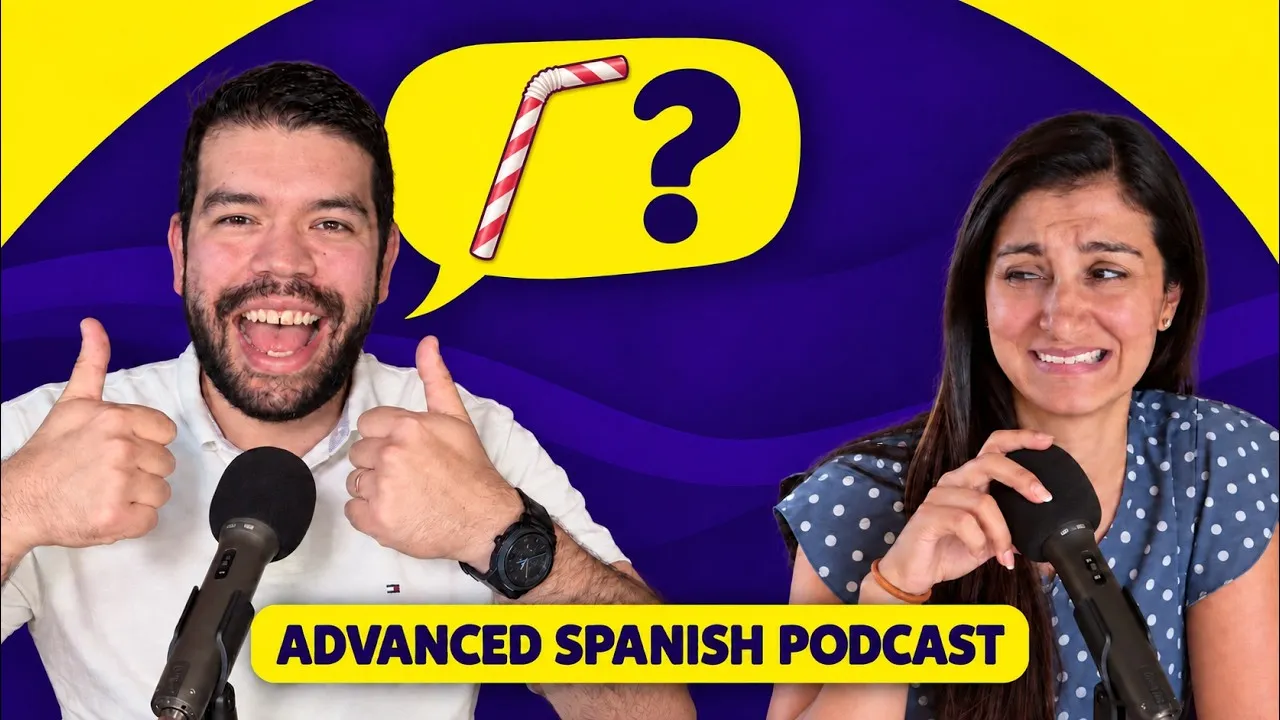
Spanish Words That Can Get You in Trouble
Concha, forro, cachucha, pajita: our podcast hosts share the Spanish words that got them in trouble abroad, and what to do when you say the wrong one.
How to Choose a Spanish Tutor: 6 Red Flags to Watch For
Real stories of bad Spanish tutors from our podcast, and the questions to ask yourself after a first class so you can spot a good one.
Are Native Speakers Honest About Your Spanish?
Native speakers say your Spanish is great. Are they honest? Our podcast hosts disagree, land on depende, and share one question that tells you the truth.
Latest
Pero vs Sino in Spanish: Two Ways to Say But
Pero vs sino: when Spanish uses pero for contrast, sino to correct after a negative, and sino que before a conjugated verb. Clear examples and the mistakes to avoid.
Spanish Words That Can Get You in Trouble
Concha, forro, cachucha, pajita: our podcast hosts share the Spanish words that got them in trouble abroad, and what to do when you say the wrong one.
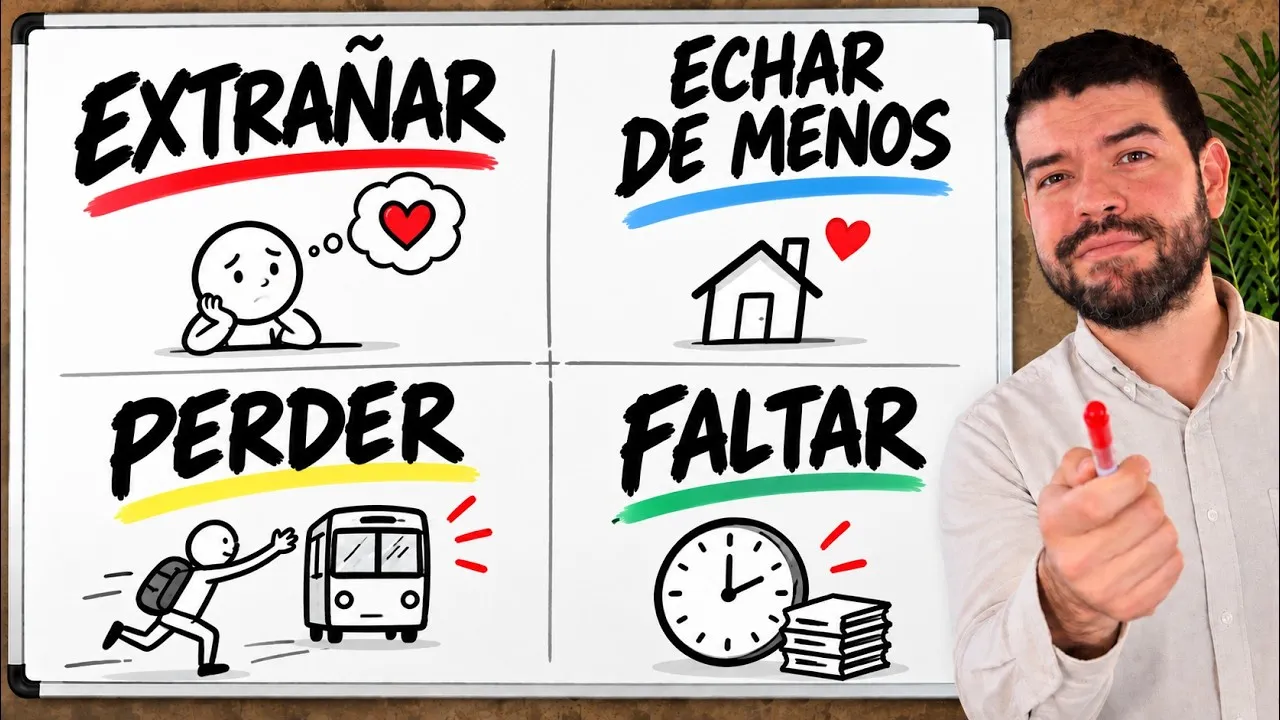
How to Say Miss in Spanish: Extrañar, Perder, Faltar
Extraño a mi familia, perdí el autobús, falta una silla. English says miss for all three. Learn the one question that picks the right Spanish verb for miss.
How to Say Become in Spanish: Ponerse, Hacerse, Volverse
Se puso nervioso, se hizo médico, se volvió desconfiado. English says became for all three. Learn the one question that tells you which Spanish verb to use.
Can Learning Spanish Cure Your Brain Rot?
Our podcast hosts talk about swapping doom-scrolling for Spanish: why it can be a better habit, where it goes wrong, and how to make the switch realistic.
Voy a Ir Yendo: What It Means and Why It Works
Voy a ir yendo uses ir three times, and it makes perfect sense. Learn the job each form does and why it means I should get going, little by little.
Reading about Spanish is the easy part. Now say it.
Live classes with native tutors, every day from 6am to 1am ET. Seven days free.